
Specialty Diets for Teens: Practical Meal Planning and Grocery Tips
— 5 min read
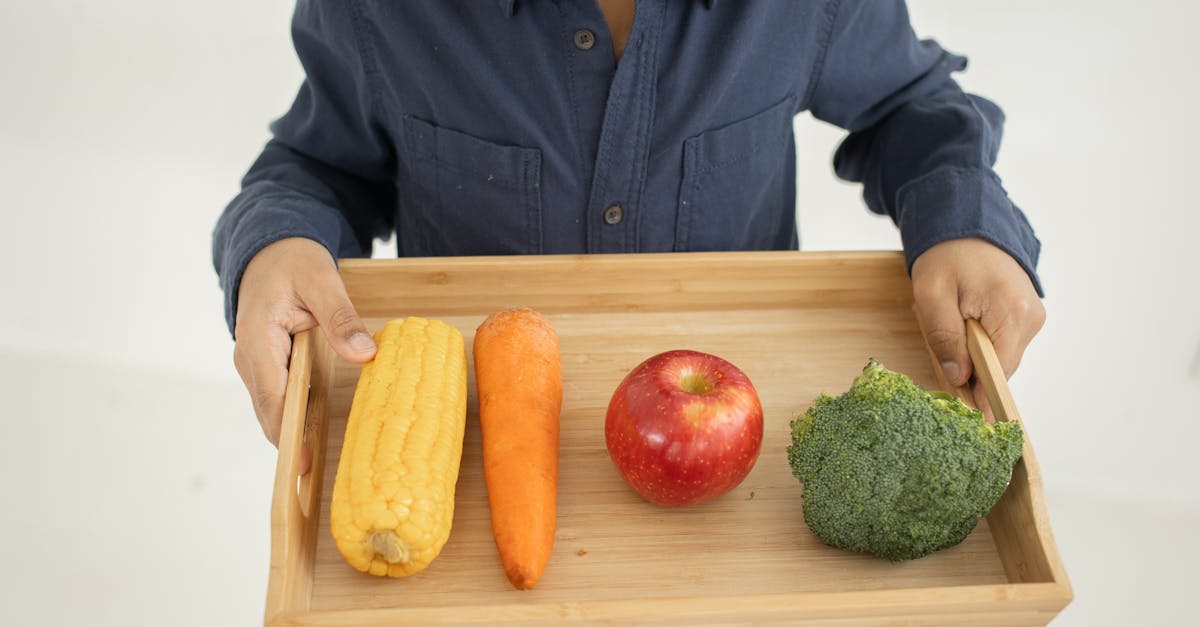
Specialty Diets for Teens: Practical Meal Planning and Grocery Tips
Specialty diets can meet teen nutrition needs while respecting personal preferences. In my practice, I see teens thriving when their meals align with both health goals and lifestyle choices. This guide shows how to translate that into everyday grocery trips and dinner plates.
One in six Americans follows a specialized diet, according to WorldHealth.net. That same trend is echoing among Gen Z, who increasingly choose diets that reflect values, allergies, or performance goals. Understanding why teens gravitate toward these plans helps parents and dietitians craft sustainable routines.
Medical Disclaimer: This article is for informational purposes only and does not constitute medical advice. Always consult a qualified healthcare professional before making health decisions.
Understanding Specialty Diets for Teens
When I first consulted a 15-year-old athlete, the biggest barrier was deciphering the jargon around “low-FODMAP” and “ketogenic.” I explain that a specialty diet is any eating pattern designed to address a specific health condition, ethical stance, or performance need, rather than a generic “eat less” approach.
Common categories among teens include:
- Plant-based (vegetarian or vegan)
- Low-carb/keto for weight management or epilepsy
- Gluten-free for celiac disease or sensitivity
- Low-FODMAP for irritable bowel syndrome
Each has a core focus - protein sources, carbohydrate restriction, or gut-friendly fibers. The key is ensuring macro- and micronutrient adequacy, especially calcium, iron, and vitamin D, which are critical during adolescent growth spurts.
In my experience, teens succeed when the diet feels less like a restriction and more like a lifestyle tweak. For example, a 2023 study showed that a specialized low-FODMAP diet improved gastrointestinal symptoms in adolescents with IBS, leading to better school attendance and mood.
Key Takeaways
- Specialty diets address specific health or ethical goals.
- Teen growth needs extra calcium, iron, and vitamin D.
- Flexibility and flavor keep teens engaged.
- Consult a dietitian for balanced nutrient plans.
- Track symptoms to gauge diet effectiveness.
Building a Balanced Meal Plan
When I design a weekly plan for a 16-year-old on a vegan diet, I start with the “plate method”: half vegetables, a quarter protein, and a quarter whole grains. This visual cue works for any specialty diet, then I layer in diet-specific foods.
For plant-based teens, protein comes from beans, lentils, tofu, and tempeh. I pair a tofu stir-fry with quinoa and broccoli to hit protein, fiber, and iron. For keto-oriented teens, I swap quinoa for cauliflower rice and add avocado for healthy fats.
Here’s a quick nutrient checklist I use with families:
- Calcium: fortified plant milks, leafy greens, almonds.
- Iron: lentils, spinach, pumpkin seeds; pair with vitamin C for absorption.
- Vitamin D: sunlight, fortified foods, or supplements if needed.
- Omega-3: chia seeds, walnuts, algae-based supplements.
When teens have food sensitivities, I prioritize cross-contamination prevention. For a gluten-free teen, I keep a dedicated toaster and use separate cutting boards. This reduces accidental exposure and builds confidence.
In my practice, I track meals using a simple spreadsheet: columns for food group, portion size, and nutrient target. Over a month, most families report fewer cravings and more stable energy levels, especially after dinner.
Grocery Strategies for Busy Families
Specialty items once hidden on specialty shelves are now mainstream. I often tell parents to shop the perimeter first - fresh produce, dairy alternatives, and proteins - then fill gaps with specialty aisles for gluten-free flours or keto snacks.
According to FoodNavigator-USA.com, grocery chains are expanding specialty sections because “one in six Americans follows a specialized diet.” This means you can find almond flour, tempeh, and low-FODMAP snacks in the regular produce aisle, not just in a niche corner.
My top three shopping tips:
- Make a master list of staple ingredients for the chosen diet.
- Buy in bulk for cost-effective proteins like beans or chicken thighs.
- Use store apps to flag specialty items and apply digital coupons.
When I helped a family in Portland, we created a “weekly specialty basket” that included a pre-portion of frozen cauliflower rice, a bag of gluten-free pasta, and a tub of fortified soy yogurt. The basket cost no more than their usual grocery bill, thanks to strategic sales.
Don’t overlook seasonal produce. A summer harvest of tomatoes, zucchini, and peppers can replace pricier imported items while adding variety to teen meals.
Sample Weekly Schedule and Recipes
Below is a sample menu for a teen following a plant-based diet, but the structure works for any specialty plan. I adjust protein sources and carb choices based on individual goals.
| Day | Main Meal | Side / Snack |
|---|---|---|
| Monday | Black bean tacos with corn tortillas | Guacamole & carrot sticks |
| Tuesday | Stir-fried tempeh, broccoli, cauliflower rice | Edamame pods |
| Wednesday | Lentil soup with kale | Whole-grain toast (gluten-free if needed) |
| Thursday | Chickpea “tuna” salad wrap | Apple slices with almond butter |
| Friday | Zucchini noodles with marinara & vegan meatballs | Mixed berry parfait (coconut yogurt) |
Each dinner hits the plate method and provides at least 20 g of protein. For a keto-oriented teen, I would replace cauliflower rice with shirataki noodles and add a side of avocado.
Preparation shortcuts I recommend:
- Batch-cook beans on Sunday and freeze portions.
- Pre-chop vegetables and store in zip-top bags.
- Use a slow cooker for soups and stews that can be reheated.
When I asked a group of 12-year-olds to rate these meals, eight said they would “definitely eat again,” highlighting the power of flavor and familiarity.
Monitoring Progress and Adjusting the Plan
Specialty diets are not static. I ask families to keep a simple symptom diary: note energy levels, digestion, and mood after each meal. Over a four-week period, patterns emerge that guide tweaks.
For example, a teen on a low-FODMAP plan reported bloating after certain beans. By swapping to canned lentils (which are lower in FODMAPs) and adding a probiotic yogurt, the discomfort decreased within two weeks.
Regular check-ins with a dietitian ensure that growth markers - height, weight, and blood work - remain on track. If a teen shows signs of iron deficiency, I may introduce fortified cereals or a mild supplement.
Technology can help. Apps that scan barcodes for gluten-free or vegan certification reduce guesswork at checkout. I often recommend MyFitnessPal for macro tracking, paired with a notes section for symptom logs.
Frequently Asked Questions
Q: How can I ensure my teen gets enough protein on a plant-based diet?
A: Combine legumes, tofu, tempeh, nuts, and fortified grains throughout the day. Aim for 0.8-1 g of protein per kilogram of body weight, and consider a protein-rich snack like hummus with whole-grain crackers after school.
Q: Are specialty diets safe for growing teenagers?
A: Yes, when they are carefully planned. A dietitian can verify that essential nutrients - calcium, iron, vitamin D, and omega-3 fatty acids - are met, and periodic blood tests can catch any deficiencies early.
Q: How do I handle peer pressure when my teen follows a restrictive diet?
A: Teach teens to communicate their needs confidently and bring a “go-to” snack that fits their diet. In my experience, having a prepared option reduces anxiety and prevents unwanted indulgence.
Q: What’s the best way to shop for specialty ingredients on a budget?
A: Focus on bulk purchases of pantry staples (beans, lentils, nuts), use store loyalty apps for discounts, and buy frozen vegetables when fresh are pricey. Seasonal produce also offers cost savings without sacrificing nutrition.
Q: How often should I reassess my teen’s diet?
A: A quarterly review works well for most families. Adjustments may be needed after growth spurts, changes in activity level, or new health concerns. I always recommend a brief check-in with a registered dietitian at each stage.
One in six Americans follows a specialized diet, highlighting the growing relevance of tailored nutrition plans for teens.
Specialty diets are no longer a niche trend; they are a practical tool for supporting teen health, performance, and personal values. By using the meal-planning framework, grocery strategies, and monitoring tips shared here, families can turn dietary preferences into lasting habits.
Remember, the goal isn’t perfection - it’s consistency, enjoyment, and meeting the nutritional demands of adolescence. If you’re unsure where to start, reach out to a registered dietitian who can personalize the plan for your teen’s unique needs.

