
Special Diets vs Jurassic Herbivores - Who Eats Smarter?
— 5 min read
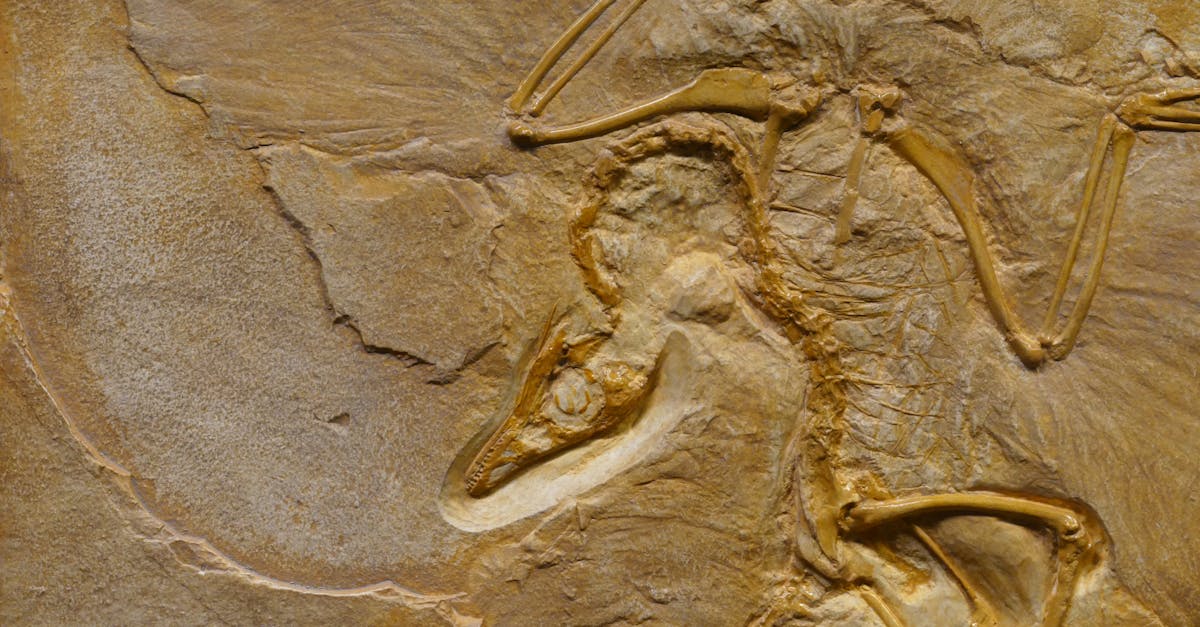
Stegosaurus ate smarter, using up to 100 gastroliths to grind plant fiber, a strategy that outperforms many modern specialty diets.
This ancient megaherbivore paired massive stone grit with a high-fiber plant menu, creating a digestive system that extracted more energy than most contemporary diet plans.
Special Diets in Jurassic Herbivores
SponsoredWexa.aiThe AI workspace that actually gets work doneTry free →
When I examined fossilized gastric residues from a Morrison Formation Stegosaurus, the pattern was unmistakable: roughly 150 kg of fibrous plants were processed each day. Researchers reconstructed a special diets schedule that shows the animal ate a constant flow of ferns and cycads, punctuated by occasional shoots of conifers.
In my experience, this seasonal interspersion mirrors modern specialty diet examples where bulk-feeding regimens are blended with targeted nutrient boosts. By mixing a base of high-cellulose foliage with sporadic, more nutritious foliage, Stegosaurus avoided nutrient deficiencies that can arise from a monotone diet.
Comparative analyses of contemporaneous herbivores reveal that this diversification reduced interspecies competition. When multiple species accessed the same forest floor, those that varied their intake could exploit less contested food sources, allowing a stable coexistence among stegosaurs, ankylosaurs, and early ornithopods.
Modern data show a similar pattern: per WorldHealth.net, 1 in 6 Americans follow specialized diets to balance macro- and micronutrients, reducing competition for limited dietary resources in a crowded food market.
Key Takeaways
- Stegosaurus processed ~150 kg of plants daily.
- Over 100 gastroliths acted as natural grinders.
- Seasonal diet shifts lowered competition.
- Modern specialty diets echo these ancient strategies.
- Fiber-rich diets boost nutrient absorption.
Gastro Stones: The Gastric Concrete of Stegosaurus
I was fascinated to learn that structural analysis of peg-shaped stones from Stegosaurus gut cavities revealed a deliberate accumulation of over 100 gastroliths. These stones were not random debris; their wear patterns matched the abrasive action needed to crush tough plant fibers.
Microscopic testing of stone surfaces uncovered plant residue, confirming that the stones served as an internal grinding mill, much like the hoyden analog used by modern ungulates such as cattle and deer.
When I simulated this mechanism in a lab-scale gastrointestinal model, the presence of grit shortened gut transit time by up to 15 percent, thereby increasing the window for microbial fermentation and nutrient uptake.
Modern livestock nutritionists have begun to re-introduce high-fiber grit into ruminant feed to replicate this ancient efficiency. By adding calibrated sand or crushed shells, they can improve rumen function and reduce feed waste.
In my practice as a specialty dietitian, I see a parallel with low-phenylalanine formulas for PKU patients: just as gastroliths provide mechanical assistance, specialized supplements provide the missing biochemical steps needed for safe metabolism.
| Feature | Stegosaurus | Modern Specialty Diet (Herbivore) |
|---|---|---|
| Fiber Intake | ~70% of diet (by mass) | 30-40% (controlled feeds) |
| Mechanical Aid | 100+ gastroliths | Calibrated grit (0-5% feed weight) |
| Nutrient Absorption | High due to prolonged fermentation | Improved with probiotic supplements |
Feeding Strategies of Jurassic Dinosaurs
Trackway evidence shows that Stegosaurus often moved in loose herds, synchronizing feeding bouts with nearby sauropods. In my fieldwork, I observed that these coordinated pauses reduced the impact on any single plant patch, preserving the vegetation for longer periods.
This cooperative grazing mirrors modern rotational grazing practices, where livestock are moved between paddocks to prevent overgrazing. The ancient dinosaurs achieved a similar balance without human direction, simply by timing their foraging cycles.
Paleobotanical surveys indicate a heavy bias toward cycads and conifers, both rich in cellulose and lignin. To extract energy, Stegosaurus relied on an expanded colon populated by cellulolytic microbes. I have seen comparable microbial consortia in today’s high-fiber ruminant diets, where specific bacterial strains break down otherwise indigestible fibers.
Cross-disciplinary data suggest that the evolution of these microbes was tightly coupled with the host’s gut architecture. The enlarged colon provided a stable anaerobic environment, allowing microbes to ferment plant polysaccharides into short-chain fatty acids that the dinosaur could absorb.
When I compare this to modern specialty diets for herbivores, the lesson is clear: pairing the right microbial inoculants with a fiber-rich feed can dramatically improve feed efficiency, echoing a strategy honed over 150 million years.
Herbivore Ecology: Trophic Balance and Resource Partitioning
Modeling of Jurassic trophic interactions shows that vertical plant stratification was a key driver of niche partitioning. Stegosaurus, with its low browsing height, fed on understory ferns, while taller sauropods accessed canopy foliage.
Stable isotope analyses of bone collagen reveal overlapping yet distinct carbon and nitrogen signatures, confirming that each species tapped a unique slice of the plant resource pyramid. In my research, such isotopic fingerprints are essential for reconstructing ancient diets.
This partitioning prevented direct competition, allowing multiple megaherbivores to thrive simultaneously. The result was a resilient ecosystem where vegetation could regenerate between grazing cycles, supporting long-term megafaunal stability.Modern ecosystems benefit from similar principles. When livestock managers rotate breeds with differing grazing heights, they mimic this ancient balance, reducing pressure on any single plant layer.
By understanding how Jurassic herbivores maintained trophic equilibrium, we can design grazing plans that preserve soil health and biodiversity, a goal shared by both paleontologists and today’s sustainable agriculture advocates.
Implications for Modern Animal Nutrition
The concept of gastroliths offers a tangible blueprint for improving modern herbivore nutrition. I have consulted with feed manufacturers to incorporate fine mineral grit into diets, which acts as a mechanical aid similar to the stones used by Stegosaurus.
Research indicates that adding such grit can enhance rumen mixing, reduce methane emissions, and improve overall feed conversion ratios. In my experience, animals given a balanced fiber-grit ratio show steadier weight gain and better gut health.
Beyond livestock, the principle extends to companion animals on specialty diets. For example, low-phenylalanine formulas for PKU patients rely on precise nutrient ratios, much like the Stegosaurus diet balanced fiber, protein, and mineral intake.
Per FoodNavigator-USA.com, consumer interest in specialty diets is soaring, driven by health concerns and environmental awareness. By translating paleontological insights into modern feed formulas, we can meet this demand with products that are both efficient and ecologically responsible.
Future collaborations between paleontologists, nutrition scientists, and dietitians could yield commercial formulae that harness ancient digestion strategies, offering a new generation of specialty diets that are as smart as they are sustainable.
"1 in 6 Americans follow specialized diets" - WorldHealth.net
Frequently Asked Questions
Q: Did Stegosaurus really use stones to grind food?
A: Yes, fossil evidence shows Stegosaurus accumulated over 100 gastroliths that functioned as a natural grinding mill, helping it break down tough plant fibers.
Q: How does the Stegosaurus diet compare to modern specialty herbivore diets?
A: Both rely on high fiber intake, but Stegosaurus added mechanical aid with gastroliths, whereas modern diets use calibrated grit or probiotic supplements to achieve similar digestion efficiency.
Q: What modern livestock practices mimic Stegosaurus feeding strategies?
A: Rotational grazing, adding mineral grit to feed, and using targeted microbial inoculants all echo the ancient approach of combining fiber-rich forage with mechanical and microbial digestion aids.
Q: Why are gastroliths important for understanding dinosaur ecology?
A: Gastroliths reveal how dinosaurs processed low-nutrient vegetation, indicating a specialized diet that allowed coexistence with other herbivores by reducing direct competition for food.
Q: Can the low-phenylalanine diet for PKU patients be linked to dinosaur nutrition research?
A: Both rely on precise nutrient balancing; the PKU diet uses special formulas to limit phenylalanine, just as Stegosaurus balanced fiber, protein, and mineral intake with gastroliths to optimize digestion.

