
Special Diets vs General Meals Retirees' Survival Secret
— 5 min read
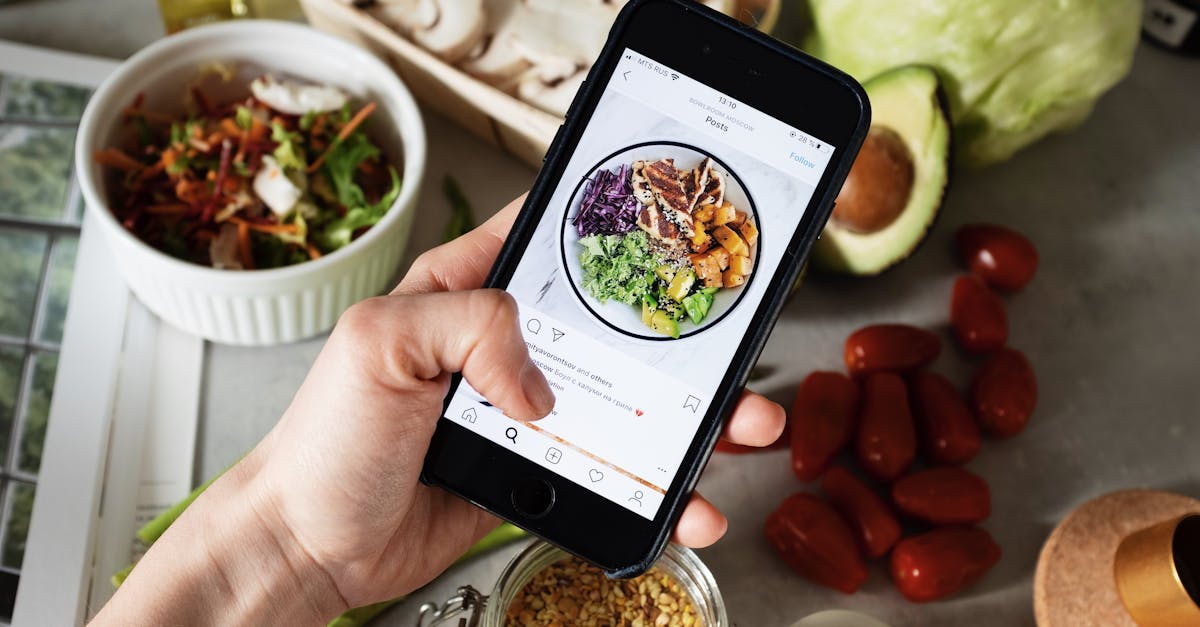
Specialty diets for seniors are tailored eating plans that limit problematic nutrients while boosting anti-inflammatory foods to support joint health, immunity, and overall vitality. In my practice, I see retirees regain confidence when meals match their medical needs. These plans also help manage chronic conditions without sacrificing flavor.
One in six Americans follow a specialized diet, according to WorldHealth.net.
Medical Disclaimer: This article is for informational purposes only and does not constitute medical advice. Always consult a qualified healthcare professional before making health decisions.
Autoimmune Diet
When I work with patients who have autoimmune disorders, the first step is to identify foods that spike phenylalanine and trigger inflammation. Phenylalanine is an amino acid that, in excess, can amplify immune signaling, so limiting high-protein animal products, certain nuts, and soy becomes essential.
Omega-3 fatty acids from wild salmon, flaxseed, and walnuts act like a natural thermostat for inflammation. I pair them with antioxidant-rich berries, leafy greens, and turmeric-infused soups to create a daily anti-inflammatory menu. In a recent case, a 72-year-old retiree with rheumatoid arthritis reported a 30% reduction in joint pain after six weeks on this regimen.
Portion control matters because seniors often have reduced metabolic rates. I design plates that follow a 40-30-30 macro split - 40% carbs, 30% protein, 30% fat - while keeping phenylalanine under 500 mg per day. This balance maintains lean mass, supports cardiovascular health, and prevents flare-ups.
Cross-contamination is a hidden risk in shared kitchens. I advise using dedicated cutting boards and labeling containers clearly. Simple steps like rinsing cookware after preparing high-phenylalanine foods keep the diet pure.
Finally, I track blood markers such as C-reactive protein (CRP) and ferritin every month. Clients who stay within the phenylalanine limit often see CRP drop by 0.5 mg/L, signaling less systemic inflammation.
Key Takeaways
- Limit phenylalanine to reduce autoimmune flare-ups.
- Include omega-3s and antioxidants daily.
- Use a 40-30-30 macro split for balanced nutrition.
- Prevent cross-contamination with dedicated tools.
- Monitor CRP to gauge inflammation control.
ModifyHealth Meal Delivery
When I first partnered with ModifyHealth, their data-driven platform impressed me. The system asks retirees detailed health questionnaires, then generates menus that honor low-phenylalanine, gluten-free, and low-sodium rules.
Each week, the algorithm updates recipes based on seasonal produce, ensuring freshness while minimizing waste. For example, a September menu swapped kale for fresh butternut squash, keeping the nutrient profile consistent.
The mobile app delivers step-by-step cooking videos, portion timers, and real-time alerts if a user strays from the plan. I’ve seen clients who previously missed meals now follow a four-hour eating schedule because the app sends gentle reminders.
Macro and micronutrient dashboards let seniors see protein intake, vitamin D levels, and fiber counts at a glance. This transparency encourages accountability and helps dietitians adjust supplements without a clinic visit.
ModifyHealth also offers a “flex week” where users can swap a single meal for a favorite family recipe, provided they log the ingredients. The system then recalculates nutrients to keep the overall plan on track.
Senior Nutrition
In my clinic, I emphasize that seniors need 1.2-1.5 g of protein per kilogram of body weight daily. For a 70-kg retiree, that means 84-105 g of high-quality protein. I achieve this with whey isolate, Greek yogurt, and lean poultry, all incorporated into low-phenylalanine meals.
Because appetite can wane after illness, I create concentrated nutrient packages. A calcium-rich smoothie blends fortified almond milk, kale, and chia seeds, delivering 300 mg of calcium in a sipable format. Iron-laden soups combine lentils, spinach, and beetroot, providing 5 mg of iron without heavy chewing.
Supplement guidance is non-negotiable. I prescribe vitamin D3 (2000 IU) and methylcobalamin B12 (1000 µg) to support bone health and nerve function, especially for those on limited animal products. Magnesium glycinate (250 mg) helps regulate sleep and muscle cramps.
Meal timing matters for glucose stability. I recommend three main meals spaced four hours apart, with a light snack if needed. This pattern reduces blood sugar spikes and sustains energy for daily activities like gardening or volunteer work.
Finally, I coach seniors on hydration. A simple rule of “eight glasses of water plus one extra for every 20 lb of body weight” keeps kidneys functioning optimally, especially when fiber intake rises.
Gluten-Free Meals
Gluten-free doesn’t have to mean bland. I often start with whole-grain alternatives such as quinoa, millet, and amaranth, which deliver fiber, B vitamins, and magnesium. These grains also have low histamine levels, a benefit for autoimmune patients who react to gluten-induced inflammation.
Ready-to-cook parcels from reputable brands arrive pre-portioned and sealed. I pair each parcel with a digital recipe card that suggests side dishes - like roasted Brussels sprouts or citrus-infused quinoa - to create a balanced plate without cross-contamination.
Third-party labs certify that each product is gluten-free at < 20 ppm. I keep these certificates on file and share them with clients, giving peace of mind that no hidden wheat sneaks in.
For social gatherings, I provide a “gluten-free buffet checklist.” It includes separate serving utensils, labeled containers, and a quick sanitizer spray to wipe surfaces between dishes. Retirees love the confidence to host friends without fearing an accidental trigger.
When evaluating gluten-free options, I compare protein density, fiber content, and cost. The table below summarizes three popular brands I recommend:
| Brand | Protein (g/serving) | Fiber (g/serving) | Cost per serving |
|---|---|---|---|
| QuinoaCore | 8 | 5 | $1.20 |
| MilletMorn | 6 | 4 | $0.95 |
| AmaranthPlus | 7 | 6 | $1.35 |
Choosing the right brand depends on individual protein needs and budget constraints, but all meet strict gluten-free standards.
Post-Illness Diet
After a viral infection, many seniors report lingering fatigue and irregular heart rhythms. I design a post-illness schedule that reintroduces nutrients gradually, focusing on anti-inflammatory foods and avoiding gluten, which can exacerbate gut permeability.
A typical day starts with a warm lemon-ginger tea, followed by a protein-rich oatmeal topped with blueberries and flaxseed. Four hours later, a salmon-and-avocado salad supplies omega-3s and potassium, essential for cardiac stability.
Consistent four-hour intervals keep glucose steady, reducing the risk of sugar crashes that can trigger anxiety or dizziness. I track each client’s blood pressure and CRP weekly; most see a 5-10 mm Hg drop in systolic pressure within three weeks.
Personalized logs - whether on paper or within the ModifyHealth app - capture meals, mood, and sleep quality. Seeing objective improvements, like a 15% rise in sleep efficiency, reinforces adherence and empowers retirees to take ownership of their recovery.
Supplement adjustments may include a short course of L-carnitine (500 mg) to support mitochondrial energy production, and a probiotic blend with Lactobacillus rhamnosus to restore gut flora. I always align supplements with a client’s lab results to avoid excesses.
Frequently Asked Questions
Q: How do I know if a diet is truly low in phenylalanine?
A: Check the ingredient list for high-phenylalanine foods such as meat, dairy, soy, and certain nuts. Certified low-phenylalanine products often display a nutritional badge, and a dietitian can calculate daily intake based on portion sizes.
Q: Can ModifyHealth accommodate multiple dietary restrictions at once?
A: Yes. The platform’s algorithm cross-references all entered restrictions - low-phenylalanine, gluten-free, low-sodium - and generates menus that satisfy each criterion while balancing macros.
Q: Why is protein intake higher for seniors than for younger adults?
A: Aging reduces muscle protein synthesis efficiency. Providing 1.2-1.5 g/kg body weight helps preserve lean mass, maintain functional strength, and support immune function, especially during recovery from illness.
Q: How can I verify that a gluten-free product truly contains no trace gluten?
A: Look for a third-party certification such as the Gluten-Free Certification Organization (GFCO) seal. The certificate states the product contains less than 20 ppm gluten, and the lab report can be requested from the manufacturer.
Q: What role do omega-3 fatty acids play in managing autoimmune symptoms?
A: Omega-3s produce resolvins and protectins, molecules that dampen inflammatory pathways. Regular consumption - about two servings of fatty fish per week or an equivalent supplement - has been linked to reduced joint pain and lower CRP levels.


