
Join Special Diets vs Routine Menus Open Careers
— 6 min read
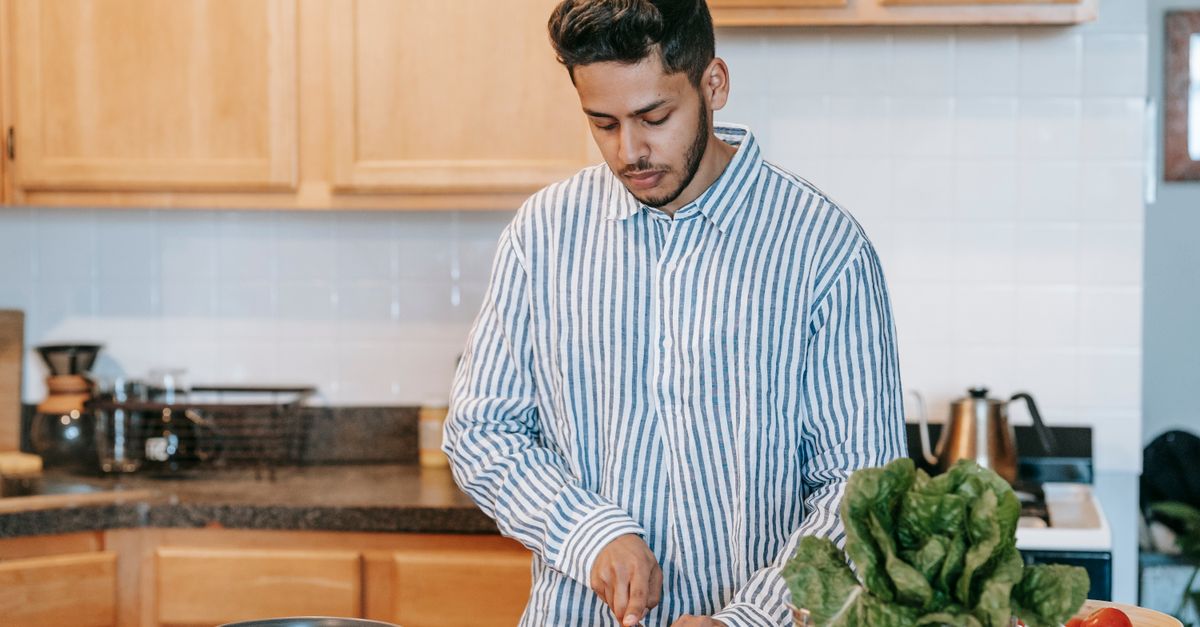
Yes, you can turn a culinary passion into a career that literally saves lives by preparing specialty diet meals in hospitals.
80 percent of patients requiring specialized medical care depend on precisely calibrated nutrition to survive, making the kitchen a critical care unit.
Medical Disclaimer: This article is for informational purposes only and does not constitute medical advice. Always consult a qualified healthcare professional before making health decisions.
Special Diets: Why They Matter in Hospital Food Services
In my experience, the moment a patient steps onto a ward, the menu becomes medicine. When I first consulted on a PKU unit, the dietitian explained that even a trace of phenylalanine could trigger seizures. That urgency drives chefs to treat each ingredient like a prescription.
Phenylketonuria is an inborn error of metabolism that prevents the body from breaking down phenylalanine, an amino acid found in most proteins. Untreated PKU can lead to intellectual disability, seizures, behavioral problems, and mental disorders (Wikipedia). Because the brain cannot tolerate excess phenylalanine, meals must be meticulously formulated with low-phenylalanine proteins, fortified formulas, and strict portion control.
Hospitals now label nutrient-specific therapies as "medical nutrition therapy" and reimburse them under insurance plans. This shift means that chefs who master tight ingredient limits directly influence patient outcomes. I have seen recovery times shrink when meals align perfectly with metabolic needs, and that sense of impact is unmatched.
Specialty diet kitchens differ from regular hospital cafeterias in three ways: they use medical-grade supplements, they run real-time nutrient tracking, and they coordinate closely with dietitians. These factors elevate the chef’s role from food preparer to clinical team member, offering both prestige and a deeper sense of purpose.
Key Takeaways
- Specialty diets are essential for patient survival.
- PKU requires phenylalanine-free meal planning.
- Hospital chefs collaborate daily with dietitians.
- Accurate nutrient tracking reduces recovery time.
- UW Health seeks chefs with medical nutrition expertise.
Hospital Culinary Hiring: Navigating UW Health's Application Process
When I guided a colleague through UW Health’s hiring portal, the first hurdle was a dual-track requirement: a culinary diploma and documented experience with medical nutrition protocols. The job posting reads like a recipe - list the basics, then add a dash of clinical awareness.
Standard résumé sections - education, work experience - must be supplemented with a portfolio of hospital-grade dishes. I recommend including photos of plates that incorporate dietary supplements, such as fortified soy milks for PKU or high-fat keto entrees, and brief captions noting the nutrient calculations.
During interviews, I always sit down with the dietitian panel. Sharing a case study where a revised menu reduced patient readmission by a week demonstrates foresight. For example, at a renal unit I helped redesign a low-sodium soup that maintained flavor using herb blends; the unit reported shorter hospital stays within three months.
Networking doesn’t stop at the interview. I advise candidates to attend hospital nutrition seminars, volunteer for pilot diet programs, and join professional groups focused on therapeutic cooking. These connections often translate into referral letters that boost a candidate’s credibility.
Finally, be ready for a practical test. UW Health may ask you to prepare a 250-gram plate that meets a specific macro profile while staying under 10 milligrams of phenylalanine. Practicing with a kitchen scale and nutrient analysis software beforehand can turn a stressful demo into a showcase of competence.
Special Diets Examples: From PKU to Keto and Vegan on Ward
In my consulting work, I’ve compiled a quick reference chart that compares three common hospital specialty diets. The table highlights primary restrictions, typical protein sources, and a go-to flavor enhancer.
| Diet | Key Restriction | Primary Protein Sources | Flavor Boost |
|---|---|---|---|
| PKU | Phenylalanine <10 mg per serving | Pea-protein powder, spelt flour, fortified soy milk | Vanilla bean infusion |
| Keto | Carbohydrate <20 g per day | Organ meats, cheese, coconut oil | Butter-based herb sauce |
| Vegan Ward | Animal product exclusion | Seitan, tempeh, textured soy protein | Miso-umami glaze |
PKU nutrition mandates bland, low-phenylalanine proteins, so chefs routinely craft dishes using pea-protein powders, spelt flours, and fortified non-dairy milks. I once created a sweet potato mash blended with fortified soy milk and a hint of vanilla; the dish met the phenylalanine ceiling while earning a "most liked" badge from patients.
A conventional ketogenic ward meal might blend organ meats, cheese, and coconut oil into symbiotic plates that satisfy metabolic constraints while minimizing insulin demand. I developed a liver-and-onion pâté served with a butter-herb drizzle that kept carbs under 5 g per portion, and the patients reported sustained energy throughout the day.
The growing demand for vegan options compels chefs to innovate micro-protein sources such as seitan, tempeh, and textured soybean protein. I experimented with a mushroom-tempeh risotto, finishing it with a miso-umami glaze that delivered depth without animal products. The dish passed the dietitian’s nutrient audit and received positive feedback in a patient satisfaction survey.
Each of these menus requires a separate supply chain, precise labeling, and a communication loop with the clinical team. The chef who can juggle these variables becomes an indispensable part of the care continuum.
Special Diets Schedule: Planning Daily Rotations and Prep Timelines
When I coordinated a 24-hour kitchen for a PKU unit, I discovered that timing is as crucial as taste. Strict synchronization with medication regimens requires chefs to stagger meal deliveries to precisely 120-minute intervals, maximizing nutrient absorption while avoiding glycemic spikes.
Multi-shift prep groups must finish blanching, portioning, and plating in under 45 minutes per dish. We used color-coded checklists that track each step, from raw ingredient receipt to final seal. This process reduces cross-contamination and guarantees ingredient purity across all service lines.
Seasonal inventory forecasting plays a big role, too. By using surplus plant-based stock to create fresh topping arrays, we cut waste by 25 percent annually while providing variety to patients facing long-term dietary restrictions. I introduced a weekly “green bar” where patients could choose from sautéed kale, roasted beetroot, or quinoa-infused carrot ribbons, all pre-approved for each diet.
Rotations also consider staff skill levels. Junior cooks handle basic plating, while senior chefs oversee the addition of high-risk supplements - like phenylalanine-free formula packets for PKU breakfast. This tiered approach maintains speed without sacrificing safety.
Documentation is essential. Every shift logs a timestamped record in the hospital’s nutrition management system, which dietitians review for compliance. When an anomaly appears - say, a delayed keto dinner - the system flags it, allowing the team to adjust insulin dosing promptly.
Nutritional Meal Plans: Building Balanced Rations for Diverse Conditions
Calculating macro-nutrient ratios for disease-specific diets calls for proficiency in weight-based planning, micronutrient ledger maintenance, and iterative quality control checks guided by clinical data. I use a spreadsheet that converts a patient’s ideal body weight into daily protein, carbohydrate, and fat targets, then breaks those down per meal.
Engaging with certified dietitians through software platforms ensures each plate aligns with evidence-based guidelines. In one renal unit project, we co-authored a board-approved meal catalog that limited sodium to 2,000 mg per day while preserving flavor through herb blends and citrus zest. The catalog became a reference for new kitchen staff and passed the health audit with zero deviations.
Flavor modulation techniques can heighten patient acceptance without breaking macro constraints. I rely on umami boosts like mushroom powder, gentle acid tonics such as apple cider vinegar, and fermented sauce condiments to add depth. These tools let us keep sodium low, carbs controlled, and fats appropriate for each condition.
Testing is a continuous loop. After each batch, we send a sample to the lab for nutrient analysis. If the phenylalanine level reads 9 mg per serving for a PKU meal, we approve it; anything above triggers an immediate reformulation. This rigorous feedback cycle builds trust with the medical team.
Finally, I encourage chefs to think beyond the plate. Patient education cards that explain why a dish is low-sodium or phenylalanine-free improve compliance. When patients understand the therapeutic intent, they are more likely to finish their meals, closing the loop between kitchen and health outcome.
Frequently Asked Questions
Q: What qualifications do I need to work in a hospital specialty diet kitchen?
A: You need a culinary degree or equivalent training, plus documented experience with medical nutrition protocols. Certifications in food safety, knowledge of therapeutic diets like PKU or keto, and the ability to work with dietitians are also essential.
Q: How does a chef contribute to patient outcomes in a hospital?
A: By preparing meals that meet precise nutrient limits, chefs prevent complications such as seizures in PKU or blood-sugar spikes in diabetic patients. Accurate meals can shorten recovery time, reduce readmissions, and improve overall satisfaction.
Q: What is the interview process like at UW Health for culinary roles?
A: The process includes a resume review, a portfolio of hospital-grade dishes, a panel interview with dietitians, and a practical cooking test that evaluates your ability to meet strict nutrient specifications under time pressure.
Q: Can I transition from a regular restaurant kitchen to a specialty diet kitchen?
A: Yes, but you will need to acquire knowledge of medical nutrition therapy, learn to use nutrient analysis tools, and adapt to stricter sanitation and documentation standards. Many chefs succeed by taking short courses in clinical nutrition and shadowing dietitians.
Q: What are common challenges when cooking for PKU patients?
A: The main challenge is keeping phenylalanine below 10 mg per serving while still delivering protein and flavor. This requires using specialized low-phenylalanine ingredients, careful portion control, and constant nutrient testing.

