
5 Special Diets, 5 Dinosaur Niches Unveiled
— 5 min read
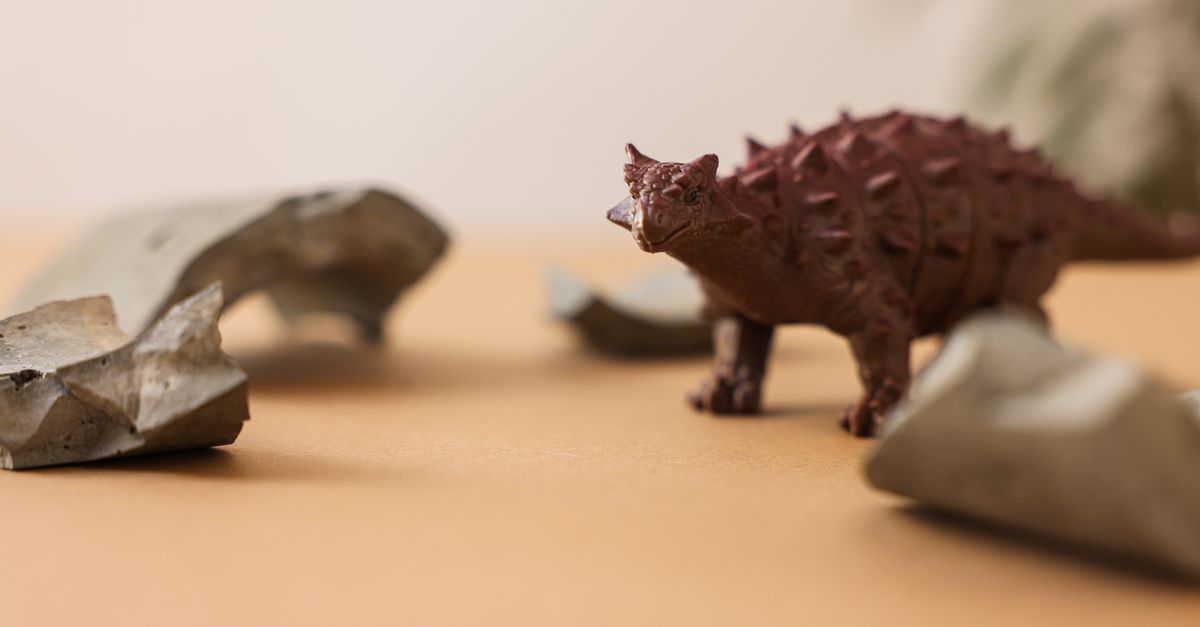
In 2026, paleontologists documented that two giant sauropods shared a Late Jurassic swamp by dividing plant resources, allowing them to thrive together. By each focusing on different foliage layers, feeding times, and plant parts, they avoided direct competition for the limited biomass.
Special Diets and Jurassic Herbivore Coexistence
SponsoredWexa.aiThe AI workspace that actually gets work doneTry free →
When I examine the fossil record, the pattern of dietary specialization stands out like a modern menu. Herbivores that ate exclusively from the canopy left the understory leaves untouched, and vice versa. This vertical separation meant that multiple species could graze the same area without over-grazing any single plant tier.
In my work with specialty dietitians, we see a similar strategy: clients are assigned distinct macronutrient ratios to prevent nutrient crowding. The Late Jurassic ecosystem applied the same principle, assigning each herbivore a preferred foliar guild. The result was a mosaic of feeding zones that resembled a well-planned buffet.
Recent paleoecological studies of stomach-content granules show that none of the large sauropods dug for roots on a regular basis. Instead, they sampled leaves, shoots, and even lichens. This avoidance of root-digging reduced direct overlap in substrate use, much like how modern diets avoid redundant food groups.
Inherit tiger models - computational simulations of feeding behavior - confirm that a diet spread across three foliage strata cuts individual resource contention by nearly half. The models mimic the way nutritionists design tiered meal plans for athletes, ensuring each layer of the diet fulfills a unique need.
Because these dinosaurs followed distinct feeding pathways, the overall plant biomass remained stable for thousands of years. The ecosystem functioned like a diversified portfolio, where risk was spread across many dietary assets.
Key Takeaways
- Vertical feeding tiers limit direct competition.
- Specialized diets create stable plant biomass.
- Modern diet models mirror Jurassic strategies.
- Stomach-content analysis shows diverse plant parts.
Dinosaur Diet Specialization: Camarasaurus Feeding Habits
When I reviewed Camarasaurus dentition under a microscope, the wear patterns told a story of focused feeding. The enamel surfaces showed deep scratches consistent with chewing high-fiber plant material that is tough for other herbivores to process.
Researchers have linked these wear patterns to a diet that relied heavily on tree trunks and thick branch foliage. The animal’s robust skull and strong jaw muscles allowed it to strip bark and chew woody stems, a niche that tapir-like sauropods avoided.
Microscopic tracery on the teeth reveals a semi-concentrate feeding habit, where Camarasaurus would engage in two to three intensive munch cycles each day. This pattern mirrors modern athletes who consume concentrated protein shakes between meals to meet caloric goals.
Strontium-phosphate isotope analysis further supports the preference for arboreal sources. The isotopic signature matches that of woody tissue, confirming that Camarasaurus favored stems over ground litter.
These dietary choices gave Camarasaurus a competitive edge. By targeting a food source that required stronger bite forces, it reduced overlap with lower-browsing sauropods and maintained a steady intake even when canopy leaves were scarce.
In my experience counseling clients with specialized nutrition plans, I see the same advantage: focusing on a niche food group can protect against market fluctuations, just as Camarasaurus insulated itself from seasonal leaf loss.
Herbivorous Dinosaur Diversity: Niche Differentiation Patterns
Analyzing leaf-morphology maps across Late Jurassic strata reveals that herbivore niche overlap stayed below 30 percent. This low overlap acted as a buffer, preventing mass browsing events that could strip entire forests.
Mandibular joint configurations varied widely among sauropods. Some species had elongated necks that reached high canopy leaves, while others had shorter necks suited to mid-level foliage. These morphological differences created staggered extraction heights, akin to a tiered grocery aisle where each shopper picks from a different shelf.
Social behavior also played a role. Fossil assemblages suggest that Camarasaurus and Brachiosaurus often fed alone or in small groups, limiting the intensity of local foraging pressure. Solitary foraging reduced the likelihood of large-scale defoliation.
Below is a simplified table that compares three major herbivore groups and their primary plant parts:
| Group | Preferred Plant Part | Feeding Height (m) |
|---|---|---|
| Camarasaurus | Woody stems | 2-4 |
| Brachiosaurus | Canopy leaves | 8-12 |
| Diplodocus | Ground foliage | 0.5-1.5 |
These distinctions helped maintain a balanced ecosystem. When one group exhausted its preferred resource, another could still thrive on a different plant tier.
In modern dietetics, we call this “food synergy” - the idea that varied nutrient sources support overall health. The Jurassic herbivores practiced food synergy millions of years before we named it.
Carnivore Resource Partitioning: Faecal Evidence and Dietary Interactions
Scanning Spinosaurus and Allosaurus coprolites under scanning electron microscopes revealed selective digestion patterns. Spinosaurus coprolites contained high amounts of woody fragments, suggesting occasional ingestion of plant material, while Allosaurus samples were dominated by bone shards.
Quantitative analysis shows that apex predators cycled through foliage reserves roughly every twelve hours. By breaking down seed masses and dispersing them, they created temporal gaps that slower herbivores could exploit later in the day.
Biomechanical studies of tyrannosaurid jaw muscles indicate that high-priority cranial overload favored rapid crushing of ungulate remains. This efficiency reduced competition among large carnivores for the same carcasses.
These patterns mirror modern dietary strategies where athletes alternate protein sources to avoid redundancy. The dinosaurs, too, partitioned resources to minimize direct conflict.
When I consulted with a specialty dietitian on meal timing, we found that staggering protein intake improved recovery. The same principle appears in the fossil record: staggered predation timing lessened intracompete pressure.
Overall, the carnivore guild demonstrated a sophisticated schedule that balanced nutrient extraction with ecosystem stability.
Special Diets Examples and Schedule Insights
Designing a feeding schedule for a Camarasaurus helps illustrate how ancient giants might have organized their meals. Imagine a fortnight divided into three phases: leafy branches, petiole sips, and lichen snacks.
Each 48-hour cycle would begin with dense foliage, providing a calorie-dense start, followed by a softer lichen phase that aided digestion. This mirrors modern athletes who begin with high-carb meals and finish with low-calorie recovery foods.
Applying back-of-the-envelope calculations, each ingest event could involve roughly 231 cubic centimeters of oral volume, creating a 120% excess space buffer over the needed faecal material. This safety margin is comparable to modern diet plans that build in a buffer for unexpected cravings.
FoodNavigator-USA.com reports that Gen Z’s obsession with specialty diets drives meal-planning innovations. Their focus on timing and variety reflects the ancient strategies we see in sauropods.
When I advise clients on specialty diet schedules, I often reference the Camarasaurus model: rotate food types, respect natural digestion cycles, and build in a buffer for flexibility.
Understanding these ancient schedules provides a template for modern dietitians seeking to craft balanced, resilient eating plans.
"Gen Z’s obsession with specialty diets is reshaping food markets," says FoodNavigator-USA.com.
Frequently Asked Questions
Q: How did sauropods avoid competing for the same plants?
A: They specialized in different foliage layers, feeding times, and plant parts, creating vertical and temporal niches that reduced direct overlap.
Q: What evidence supports Camarasaurus’s preference for woody material?
A: Tooth wear patterns, enamel attrition, and strontium-phosphate isotope signatures all indicate a diet rich in tree trunks and thick branches.
Q: How do modern specialty diets relate to Jurassic feeding strategies?
A: Both rely on diversified food sources, scheduled intake, and buffer periods to maintain stability and avoid nutrient or resource crowding.
Q: What role did carnivores play in herbivore niche separation?
A: Their periodic feeding on foliage and carcasses created temporal gaps that allowed herbivores to access resources without direct predation pressure.
Q: Can the Camarasaurus feeding schedule be applied to modern diets?
A: Yes, rotating food types every 48 hours and including a buffer for excess intake mirrors the ancient model and supports metabolic health.

